Small Bathroom Ideas: Space-Saving Design Tips
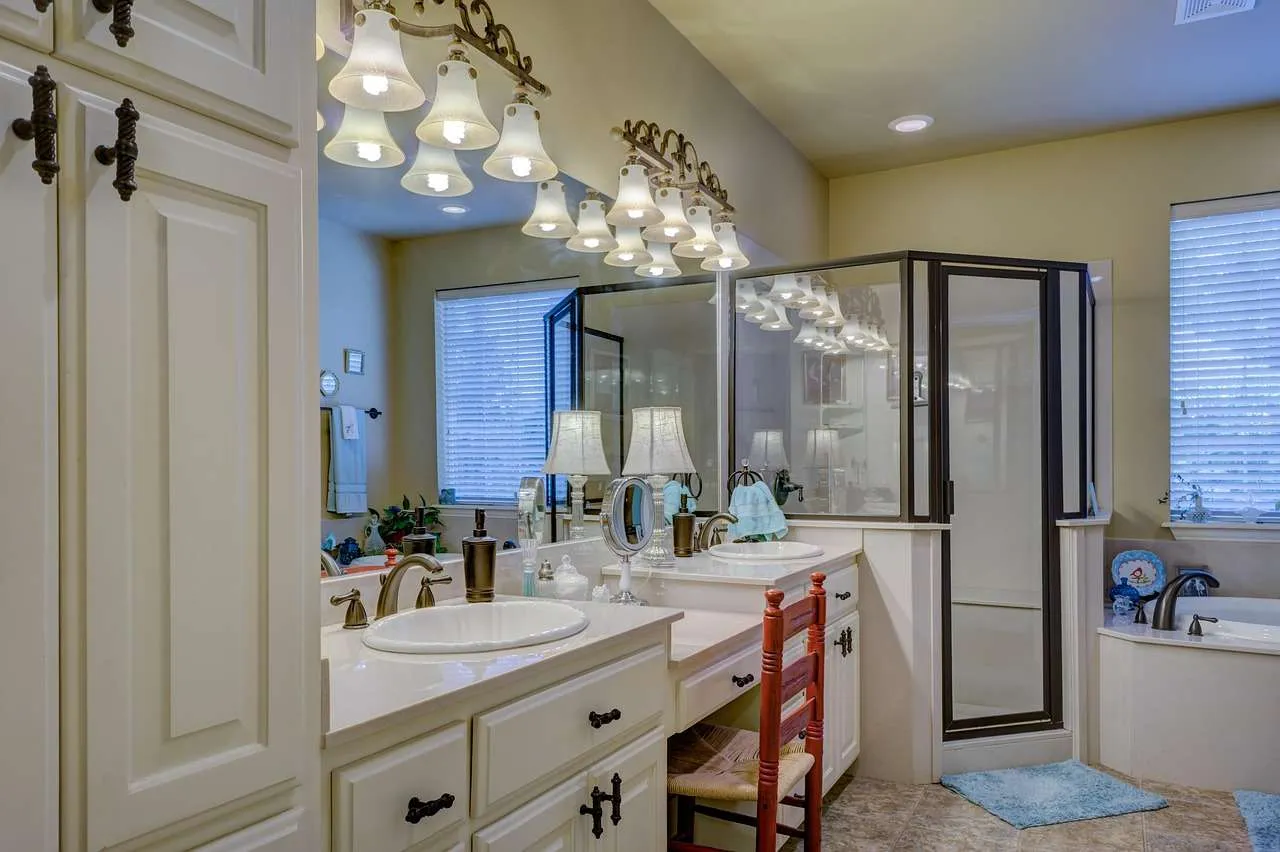
As a seasoned design professional, I know how frustrating a small bathroom can feel. The good news is that small bathroom ideas that work are less about grand renovations and more about clever layouts, compact fixtures, and thoughtful finishes that maximize every inch. This guide focuses on practical, high-quality tactics to improve usability, lighting, and perceived space while ensuring durable, easy-to-clean surfaces. With the right approach, a compact bath becomes a calm, efficient daily ritual rather than a squeeze.
Smart Layouts for Small Bathrooms
Layout decisions have the biggest impact on comfort. Start by measuring door swings and clearance, then explore options like pocket doors or barn doors to reclaim floor space. In many cases, placing a shower or tub along one wall and a floating vanity opposite creates a simple, open corridor. If you only have 36 inches of width, consider a wet zone with a shower head protected by a glass panel and a compact vanity to keep the center path clear. Thoughtful zoning also helps distinguish wet and dry areas, which makes maintenance easier and bath chores faster.
Right-Sizing fixtures
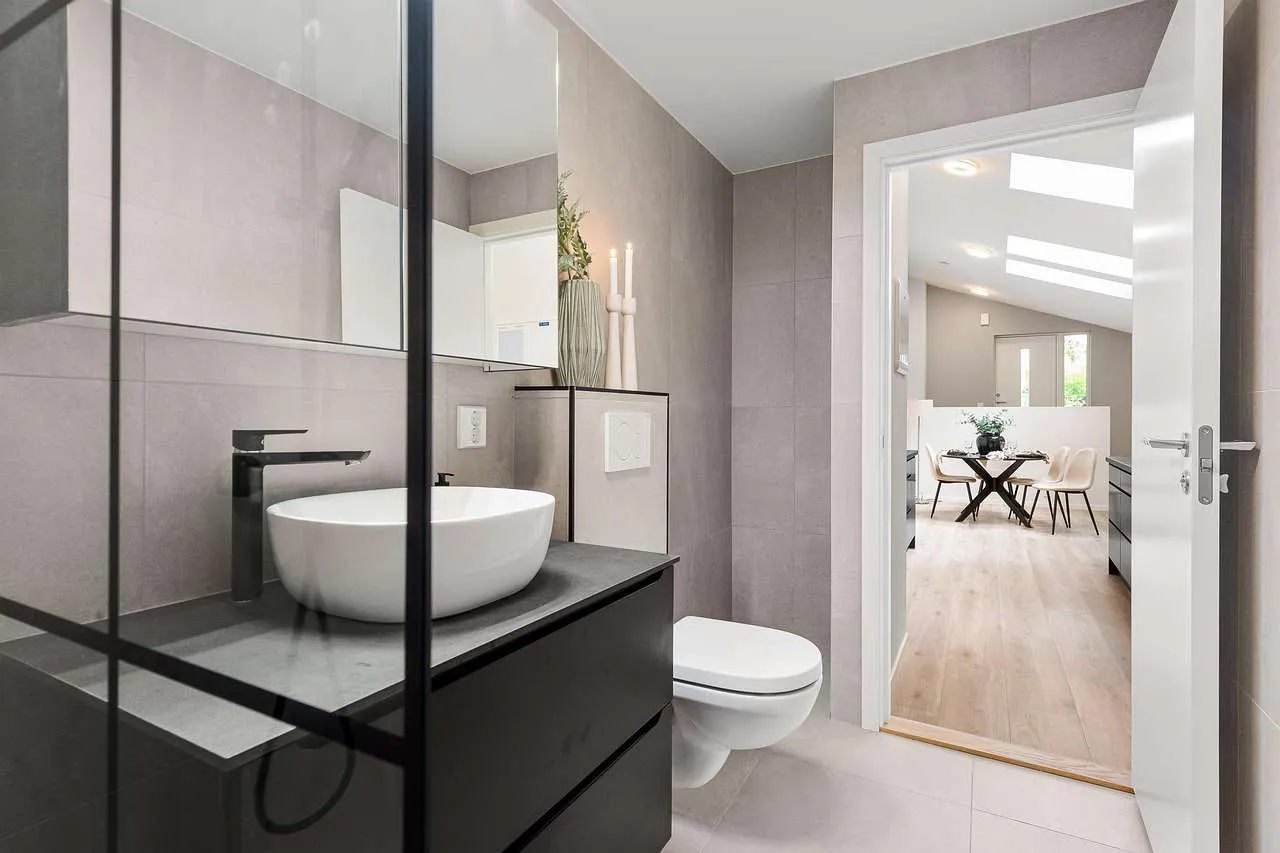
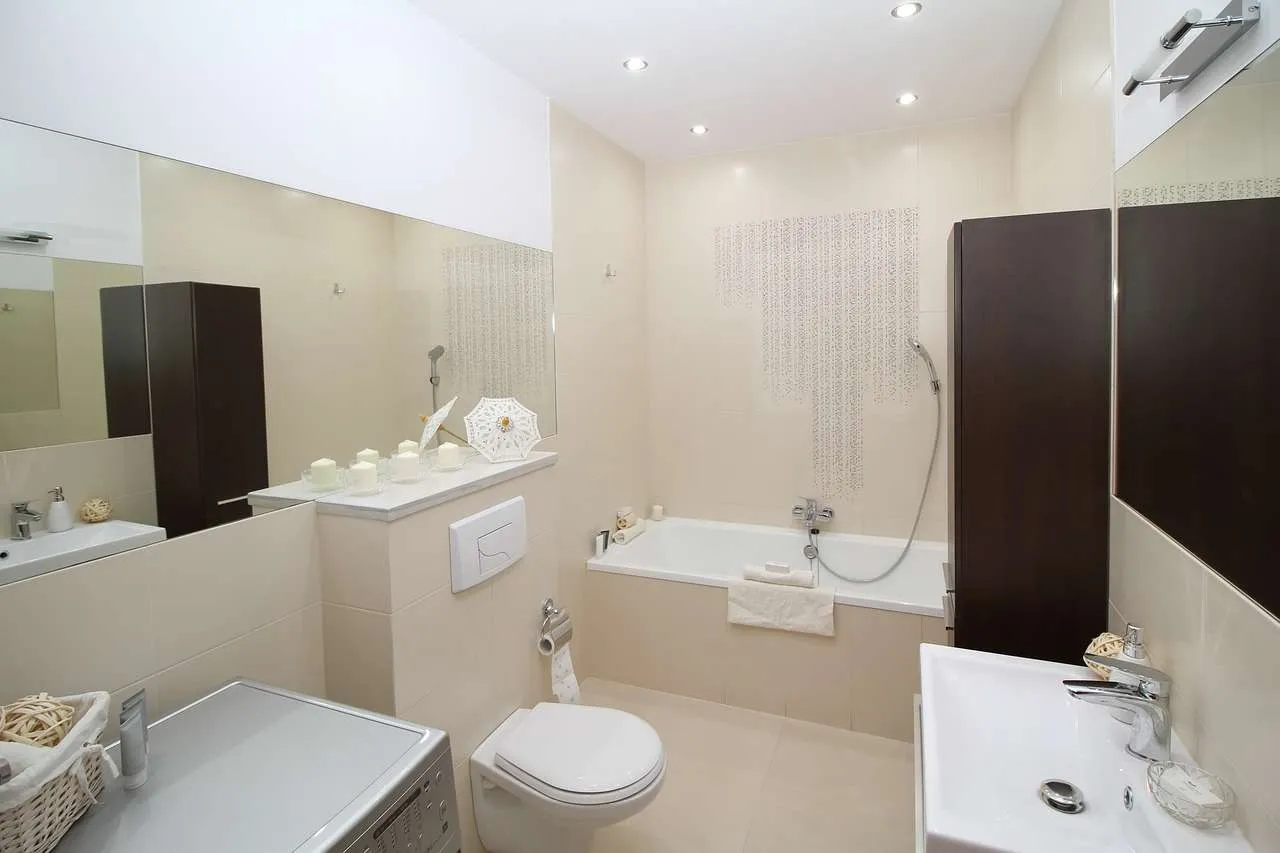
Choose a vertical, wall-mounted toilet and a shallow vanity to reduce projection. Corner sinks, slim-profile basins, and glass shower enclosures visually expand the space by allowing light to travel unblocked across the room. When possible, opt for a wall-hung toilet with a concealed cistern to reclaim floor area and make cleaning simpler. Even small changes like a 2–3 cm reduction in vanity depth can free valuable inches for storage or movement.
Storage, Lighting, and Surfaces
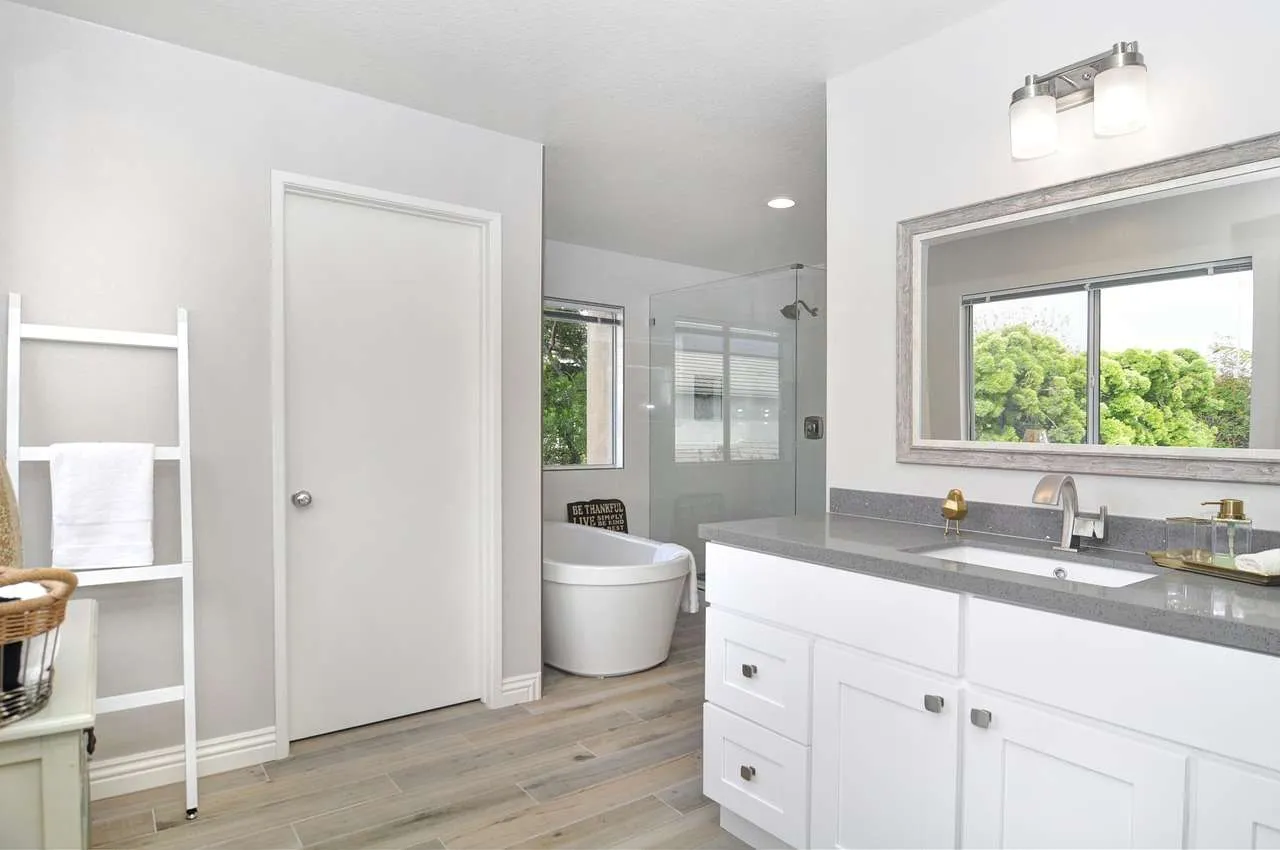
Storage should be invisible until needed. Recessed shelving, ladder-style towel racks, and medicine cabinets with integrated lighting offer storage without crowding the footprint. Light plays a crucial role; use bright, neutral walls and multiple light sources (ceiling, mirror LED, and task lighting) to avoid dark corners. Mirrors should cover a large area, ideally from wall to wall or above the vanity, to reflect more light and create depth. For humidity-prone bathrooms, opt for moisture-resistant finishes and concealed storage behind panels to maintain a tidy look.
Materials and Colors
Light-colored materials reflect more light and make a small bathroom feel larger. Ceramic or porcelain tiles in subway or textile patterns, paired with matte metal fixtures, create a modern, low-maintenance look. Avoid heavy, dark patterns that overwhelm the space; instead, opt for cohesive color storytelling with consistent flooring and wall finishes. A subtle contrast between walls and shower enclosure can delineate zones while preserving airiness. If you must use tile, consider larger formats (such as 12x24 inches) to reduce grout lines and visually enlarge the room.
You’ll find ideas in these practical categories
To help you compare options quickly, consider these typical configurations and their trade-offs. Pair ideas with quality plumbing and moisture-rated materials to ensure long-lasting performance.
| Idea Type | Pros | Cons | Typical Cost |
|---|---|---|---|
| Floating vanity | Creates openness, easy cleaning underneath | May limit storage | Mid-range |
| Corner shower | Maximizes floor space, modern look | Can feel tight if very small | Mid-range |
| Pocket or sliding door | No swing space required | Higher installation cost | Mid-to-high |
| Recessed storage niches | Stays out of the way, tidy | Requires proper waterproofing | Low |
| Wet-wall paneling | Hides plumbing, easy maintenance | Can look clinical if overdone | Low-to-mid |
| Wraparound mirrors | Double light reflection, enhances space | Fingerprints show easily | Low |
Step-by-step plan to implement small bathroom ideas
- Assess the space: measure width, length, door clearance, and possible plumbing constraints.
- Define a design goal: bright neutrals, a spa-like feel, or bold accents with restraint.
- Choose compact fixtures: wall-hung toilet, slim vanity, clear glass shower, and low-profile lighting.
- Plan storage intelligently: recessed niches, medicine cabinets with LED lighting, and vertical organizers.
- Layer lighting: combine ambient, task, and accent lighting to eliminate shadows and improve usability.
- Collaborate with a pro for moister-rated materials and proper ventilation to ensure durability.
With careful selection of fixtures, finishes, and storage, you can achieve remarkable improvements without a full reconstruction. Revisit your design goals after each change to ensure the small bathroom ideas stay functional and timeless.
Summary: To make the most of a compact bath, blend efficient layouts, compact fixtures, clever storage, and bright, cohesive finishes. This approach delivers a practical, attractive space that feels larger and stays easy to maintain.